Separate the Audiences
Give individuals, caregivers, and professionals information suited to their role in seeking care.
Web Design for Eating Disorder Treatment that makes age groups, program options, caregiver information, and referral steps easy to find. Help individuals, caregivers, and referring professionals understand your services and reach the right program inquiry.
New websites · Redesigns · Repairs

Make age groups, program options, caregiver information, and referral steps clear to individuals, caregivers, and referring professionals. Each contact step should fit your program inquiry process.
Give individuals, caregivers, and professionals information suited to their role in seeking care.
Explain confirmed age groups and care levels without making a website visitor assess clinical suitability.
Review wording and visuals with specialists. Avoid weight-focused before-and-after imagery or promises about recovery.
Explore published design work, including specialist and related practices. The cards show documented website changes, rather than inferred traffic or appointment gains.
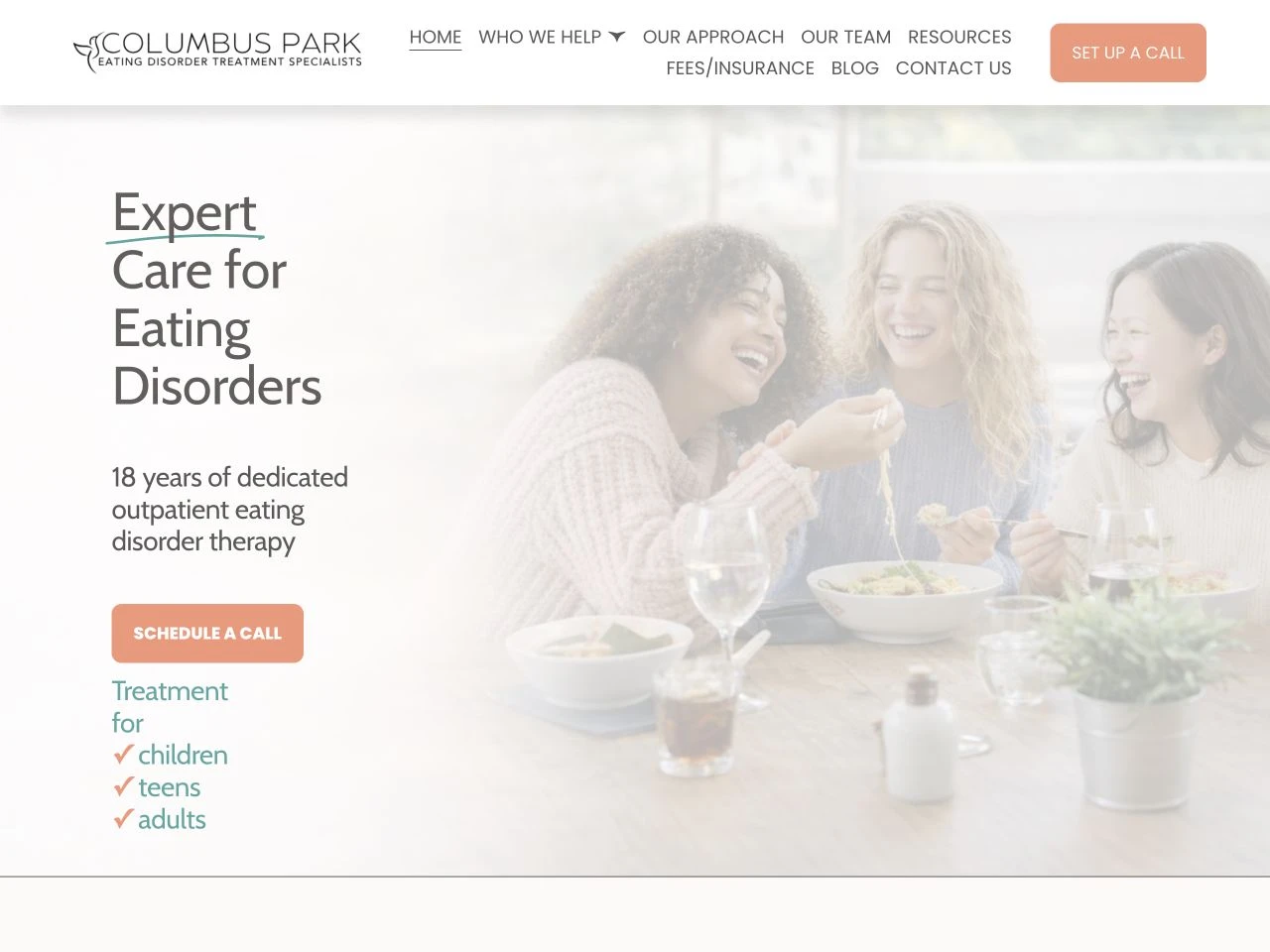
Columbus Park is a New York practice specializing in outpatient eating-disorder treatment for children, teens, and adults.
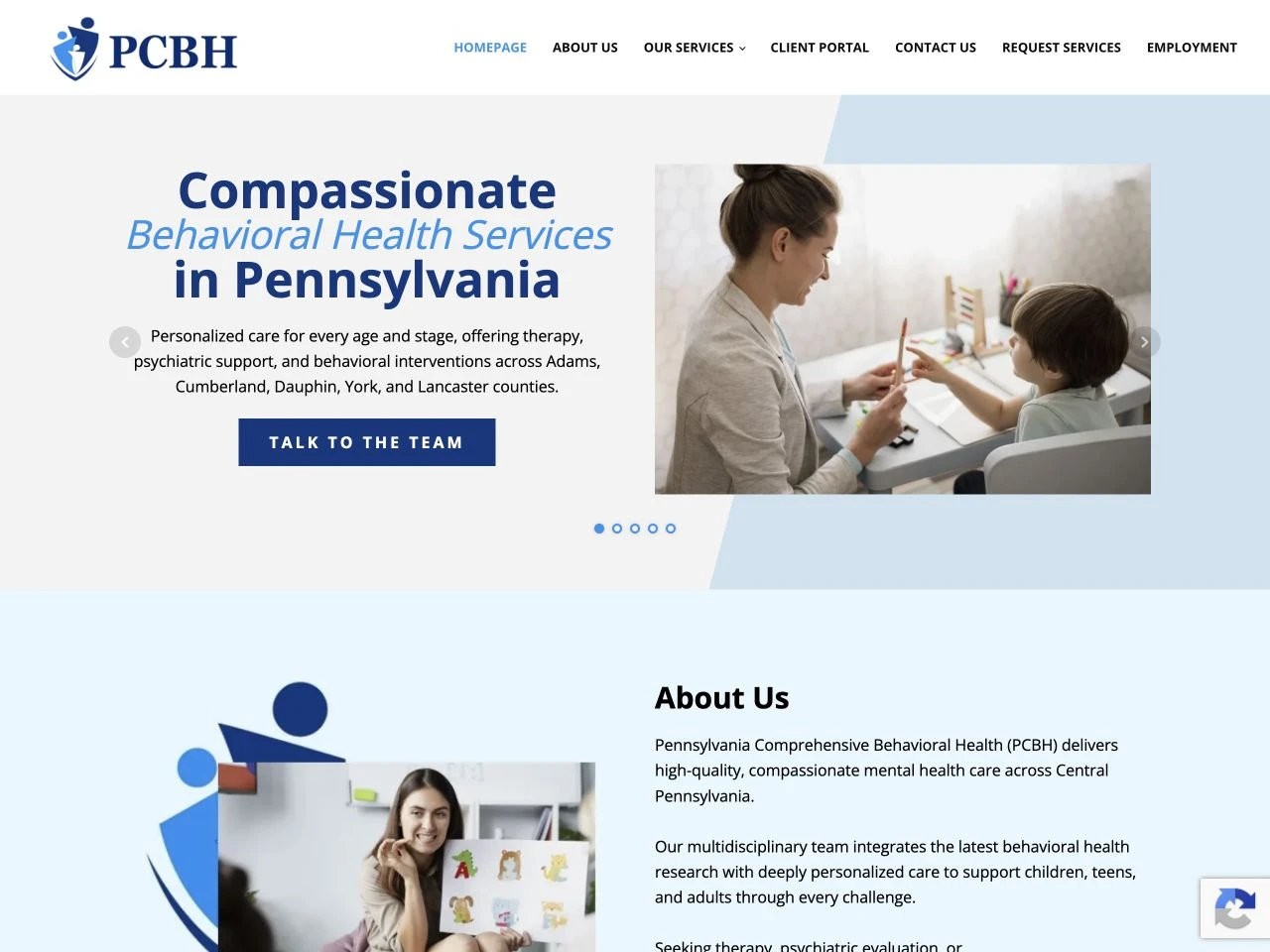
Pennsylvania Comprehensive Behavioral Health provides outpatient therapy, psychiatric services, and intensive behavioral-health support in central Pennsylvania.
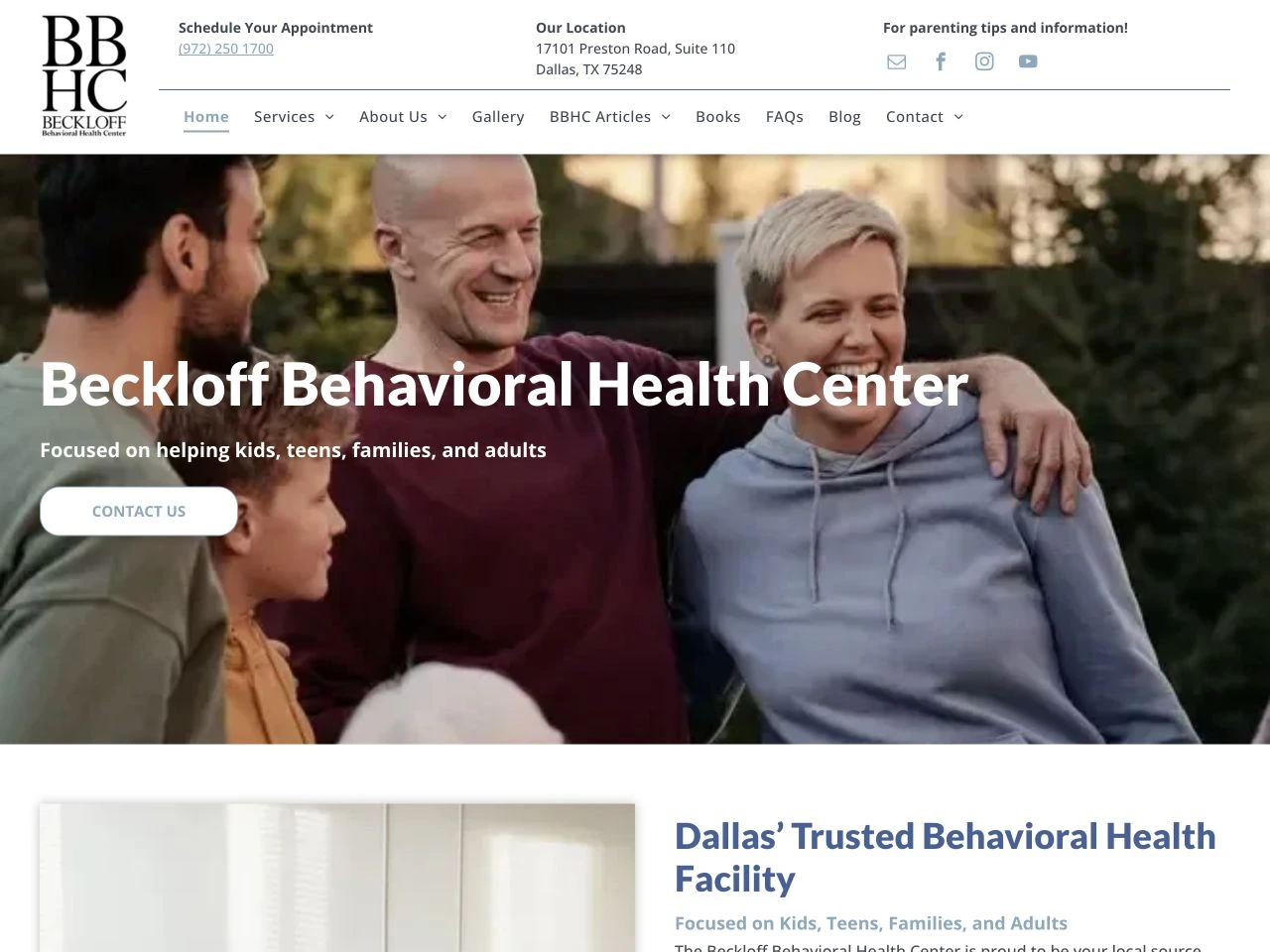
Beckloff provides counseling, assessments, and speech and language services in Dallas, Texas.
Improve your current website or build a new one.
Improve your current site and make the next inquiry easier.
Starting from $697
Redesign My WebsiteIntroduce your services clearly, with useful pages and contact routes.
Starting from $797
Build My New WebsiteDoes your website keep people waiting? Enter your website to check its mobile speed and see what needs fixing.
Introduce the eating-disorder services, confirmed age groups, and care levels early. People seeking help should find a suitable program conversation without being asked to assess clinical suitability.
Explain practical questions in respectful language. Give caregivers useful information while preserving an appropriate route for individuals and professional referrers.
Use approved visuals that support a clear introduction. Avoid weight-focused before-and-after comparisons, sensational imagery, and suggestions that a design example proves recovery outcomes.
Connect program contacts to the audiences your intake team serves. Make referral instructions accessible and keep practical access questions close to the first contact step.
Give age groups and care levels distinct explanations when the services differ. Link those pages to practical program information without creating unnecessary keyword variants.
Have the specialist lead and intake team review language, visuals, and routes on mobile. Agree how program availability and approved practical information will be maintained.
Your proposal sets the page count, integrations, and support period. Ongoing SEO campaigns are scoped separately.
Your proposal sets the schedule around page count, integrations, available materials, and your team’s review. We agree on launch timing before work begins.
We prepare page structure, copy, and design. Your team confirms age groups, program options, caregiver information, and referral steps and resolves feedback through the agreed review route before publication.
Yes. URL changes and content changes can affect visibility. We review existing pages and useful content, then plan redirects and checks where needed.
Yes. We first review its structure, platform, and the changes you need. That determines whether a repair, redesign, or new build makes sense.
Yes, when the system supports the agreed link or integration. We confirm its requirements and the contact workflow before including it in scope.
No. The existing plans are starting options. Page scope, integrations, content, and review requirements are confirmed for your project before work begins.
Yes. Caregivers may need practical information before contacting your team. We give them an appropriate path alongside individual and professional inquiries.
We use your approved assets and specialist review. We avoid weight-focused comparisons, sensational images, and implied recovery guarantees.
Yes. Your clinical team confirms the program structure, age groups, and suitability wording before publication.
Tell us which specialist eating-disorder care, age groups, and confirmed care levels need a clearer introduction and where your program inquiry currently gets stuck.
We’ll discuss your current site, what to keep, and what needs to change.
Book a Free Call30 minutes · Opens our booking calendar
Your specialist clinical lead and intake team confirms age groups, program options, caregiver information, and referral steps. We organize the marketing copy and incorporate approved details before publication.
Your services, current website, and openings by age group, care level, and program. We agree on priorities and reviewer responsibilities before implementation.
We agree on a relevant program inquiry with your team. Reports distinguish activity and inquiries from appointments or enrollments your team confirms.
No. Service information, locations, and capacity are enough to begin. Do not send patient records or treatment histories through marketing forms.
Eating Disorder Treatment marketing SEO for Eating Disorder Practices Paid Advertising for Eating Disorder Treatment