SEO for Eating Disorder Practices
Build visibility around specialist eating-disorder care, age groups, and confirmed care levels.
Explore This ServiceMarketing for Eating Disorder Treatment Providers
Eating disorder treatment marketing that respects individuals and caregivers. Explain your specialist programs, confirmed age groups, and appropriate routes into a first conversation.
Choose the service that fits your next priority, or book a call to talk it through.
Build visibility around specialist eating-disorder care, age groups, and confirmed care levels.
Explore This ServicePlan respectful ads and program-specific inquiry pages around current admissions availability.
Explore This ServiceMake age groups, program options, caregiver information, and referral steps easier to find.
Explore This ServiceBuild the message around specialist eating-disorder care, age groups, and confirmed care levels, with practical information for individuals, caregivers, and referring professionals.
Give individuals, caregivers, and professionals information suited to their role in seeking care.
Explain confirmed age groups and care levels without making a website visitor assess clinical suitability.
Review wording and visuals with specialists. Avoid weight-focused before-and-after imagery or promises about recovery.
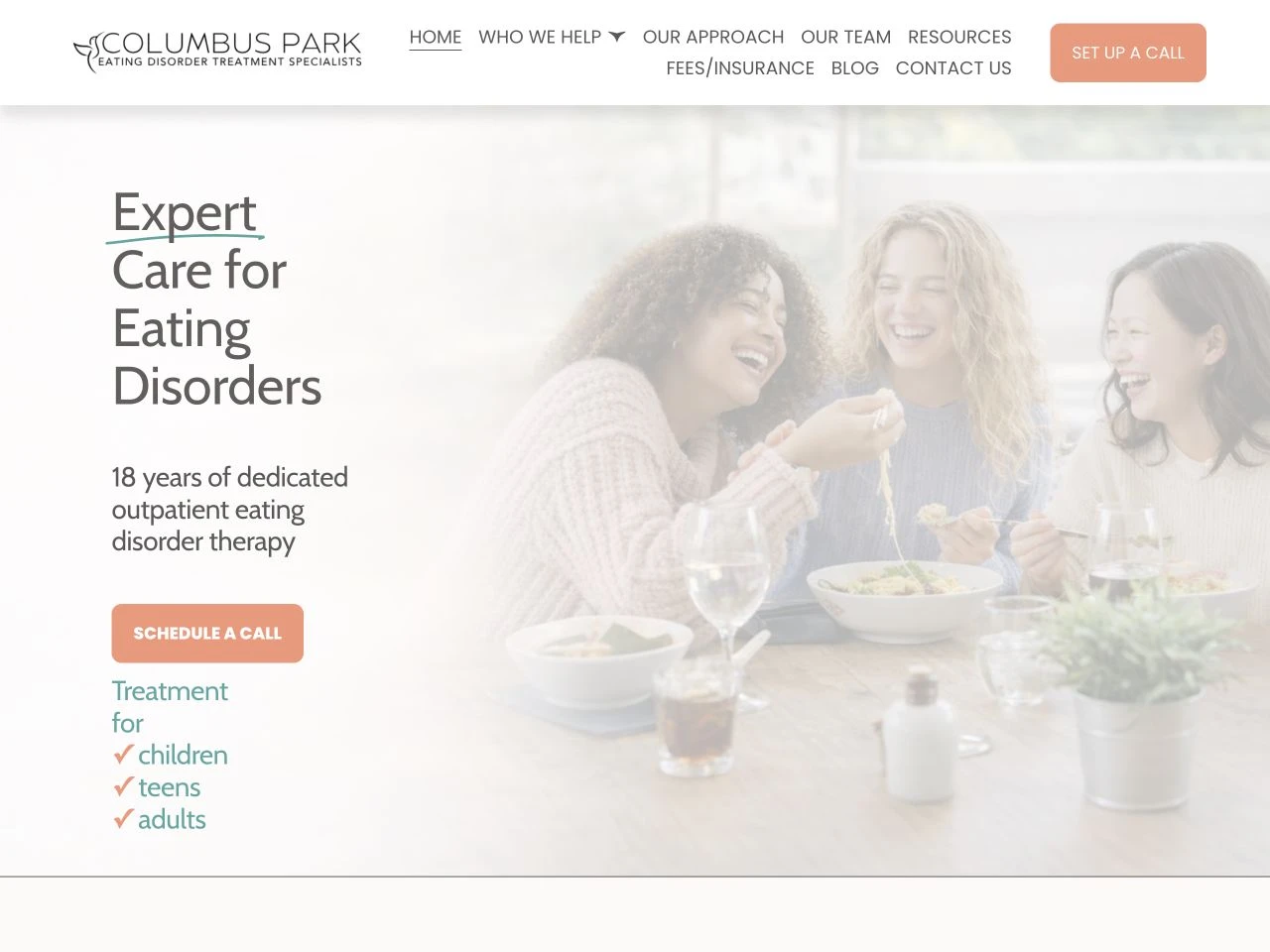
Website design
Make specialist eating-disorder care easier to find.
Read the Case Study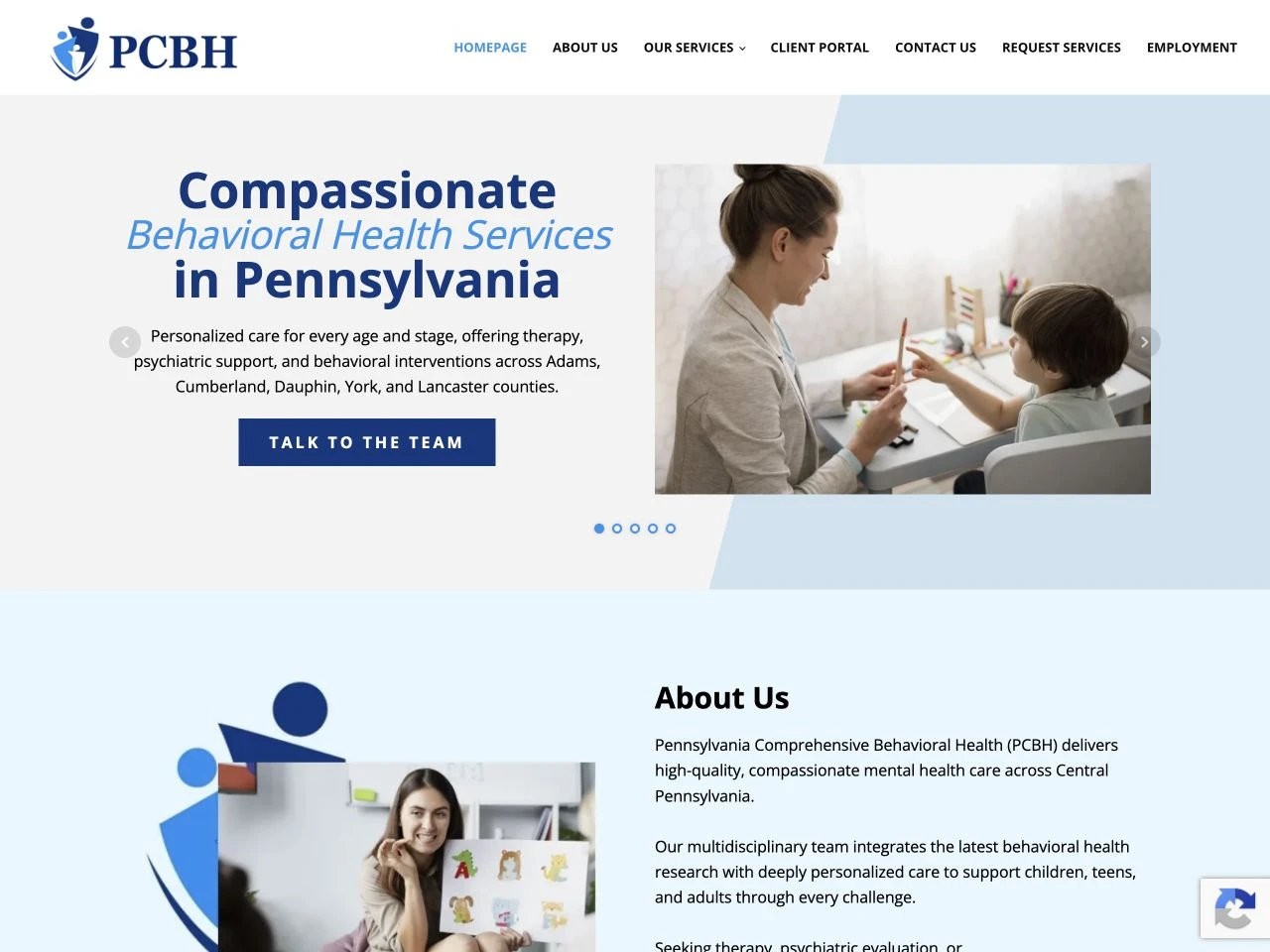
Website design
Make community behavioral-health services easier to navigate.
Read the Case Study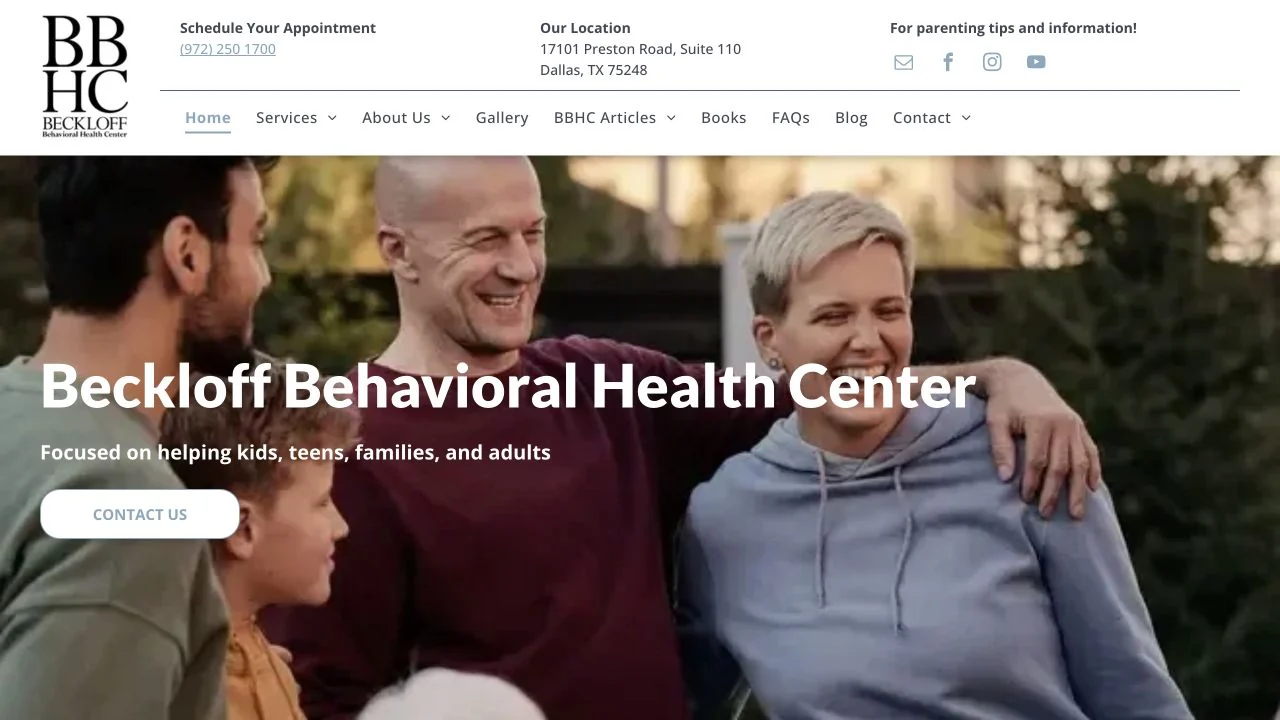
SEO
74% more Google clicks for a North Texas practice.
Read the Case StudyThese studies show published SEO, Local SEO, or website work. Each card names the service used; inquiry and appointment outcomes are not inferred from website activity.
Confirm specialist eating-disorder care, age groups, and confirmed care levels and openings by age group, care level, and program. Review the current pages, channels, and contact routes.
Choose the most useful deliverables with your specialist clinical lead and intake team. Confirm the practical information and approval responsibilities.
Publish approved work, review relevant program inquiries, and adjust as service availability or team priorities change.
We handle structure, marketing copy, design, and implementation. Your specialist clinical lead and intake team confirm age groups, program options, caregiver information, and referral steps before publication.
Reporting connects the work to relevant program inquiries. Website activity and inquiries are separate from confirmed appointments or enrollments.
Yes. Caregivers may need practical information before contacting your team. We give them an appropriate path alongside individual and professional inquiries.
We use your approved assets and specialist review. We avoid weight-focused comparisons, sensational images, and implied recovery guarantees.
Yes. Your clinical team confirms the program structure, age groups, and suitability wording before publication.
Your specialist clinical lead and intake team confirm age groups, program options, caregiver information, and referral steps. We organize the marketing copy and incorporate approved details before publication.
Your services, current website, and openings by age group, care level, and program. We agree on priorities and reviewer responsibilities before implementation.
We agree on a relevant program inquiry with your team. Reports distinguish activity and inquiries from appointments or enrollments your team confirms.
No. Service information, locations, and capacity are enough to begin. Do not send patient records or treatment histories through marketing forms.
Tell us about your eating-disorder program, the services you want to support, and what needs attention. We’ll review a practical starting point with your team.
Book a Free Strategy Call